Rules of Worship and Religious Rites
The Pillars of Islam
The Messenger of Allah, may Allah bless him and grant him peace, said: Islam is to bear witness that there is no god but Allah and that Muhammad is the Messenger of Allah, peace and blessings be upon him, to perform the prayers, to pay the zakat, to fast during Ramadan, and to make the pilgrimage to the House if you are able to do so.”
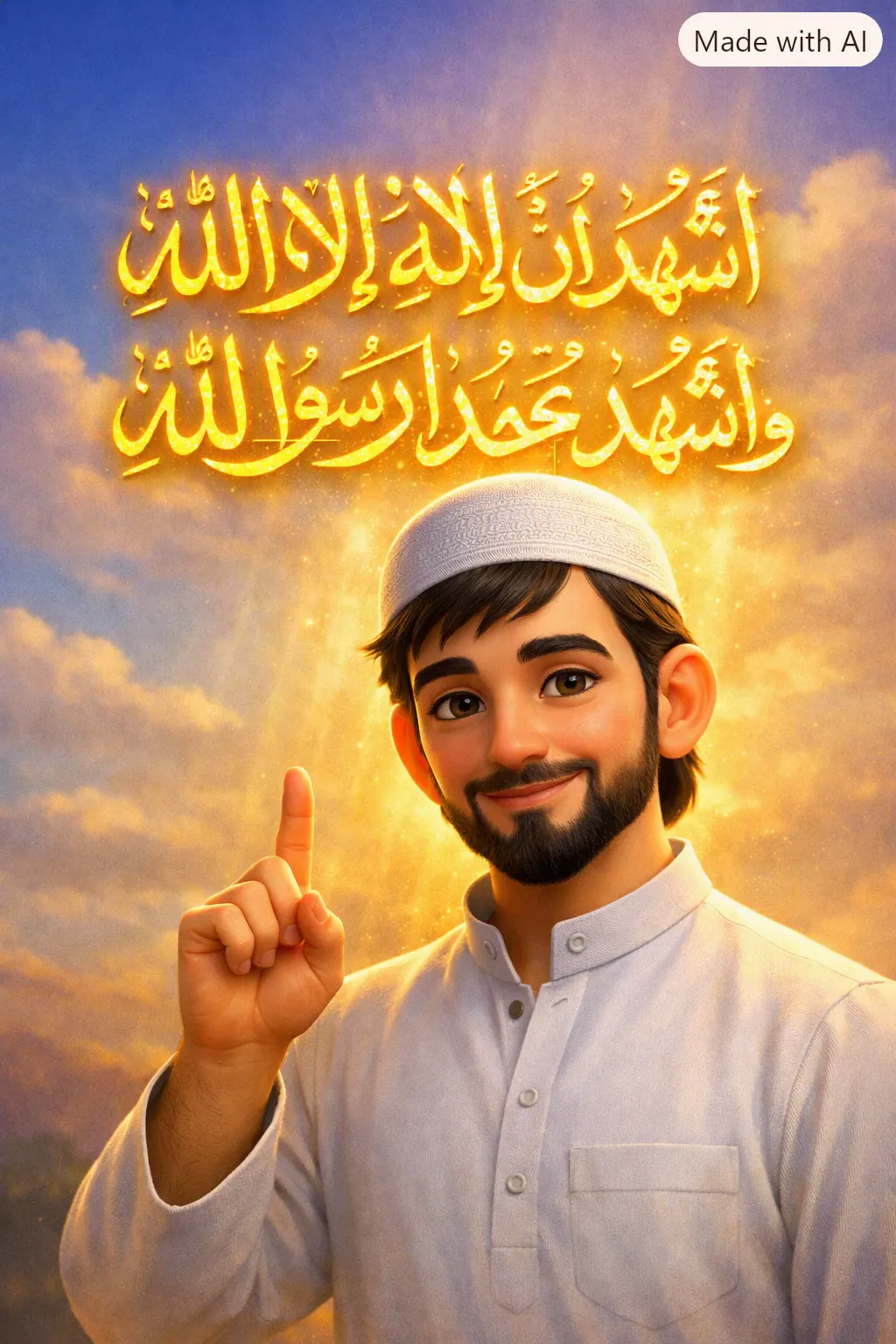
The testimony that there is no god but Allah and that Muhammad is the Messenger of Allah—these two form a single pillar, as they are inseparable and cannot be separated from one another. The meaning of the two testimonies is that the servant utters them, acknowledging and affirming the Oneness of Allah and His right to be worshipped alone, without any partner, and the prophethood of Muhammad ibn ‘Abdullah, believing in them with his heart, affirming their meaning, and acting in accordance with them; This is the testimony that benefits its bearer in the Hereafter, so that he may enter Paradise and be saved from the Fire.
Performing Prayer
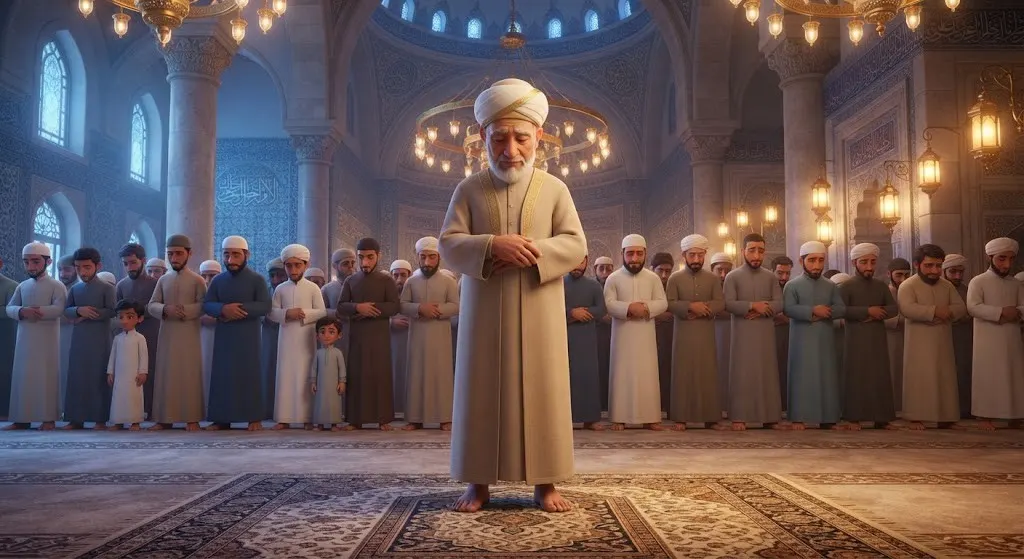
Maintaining the performance of the five obligatory prayers during the day and night, which are: “Fajr, Dhuhr, Asr, Maghrib, and Isha” at their designated times, in accordance with their conditions, pillars, and obligations.
Zakat
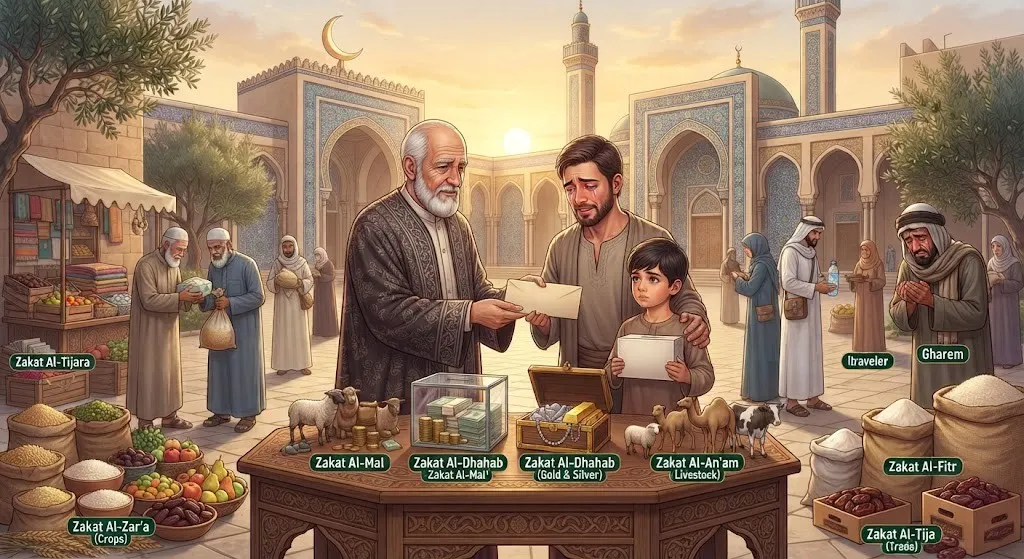
The payment of obligatory zakat, which is a financial act of worship required on all wealth that reaches the prescribed amount and threshold, and for which a full lunar year (the Hijri year) has elapsed—requires the payment of one-quarter of a tenth. This also includes zakat on livestock, as well as zakat on crops and fruits, trade goods, and zakat on mineral deposits—which are buried treasures extracted from the ground— or, according to some, minerals, based on their respective rates and the time of their zakat calculation. Paying zakat properly to those who are entitled to it brings increased blessings to one’s wealth and a great reward in the Hereafter. As for being stingy with it and withholding it from those entitled to it, there are grave consequences in this world and the Hereafter, as explained by numerous texts in the Qur’an and Sunnah,
Fasting During Ramadan
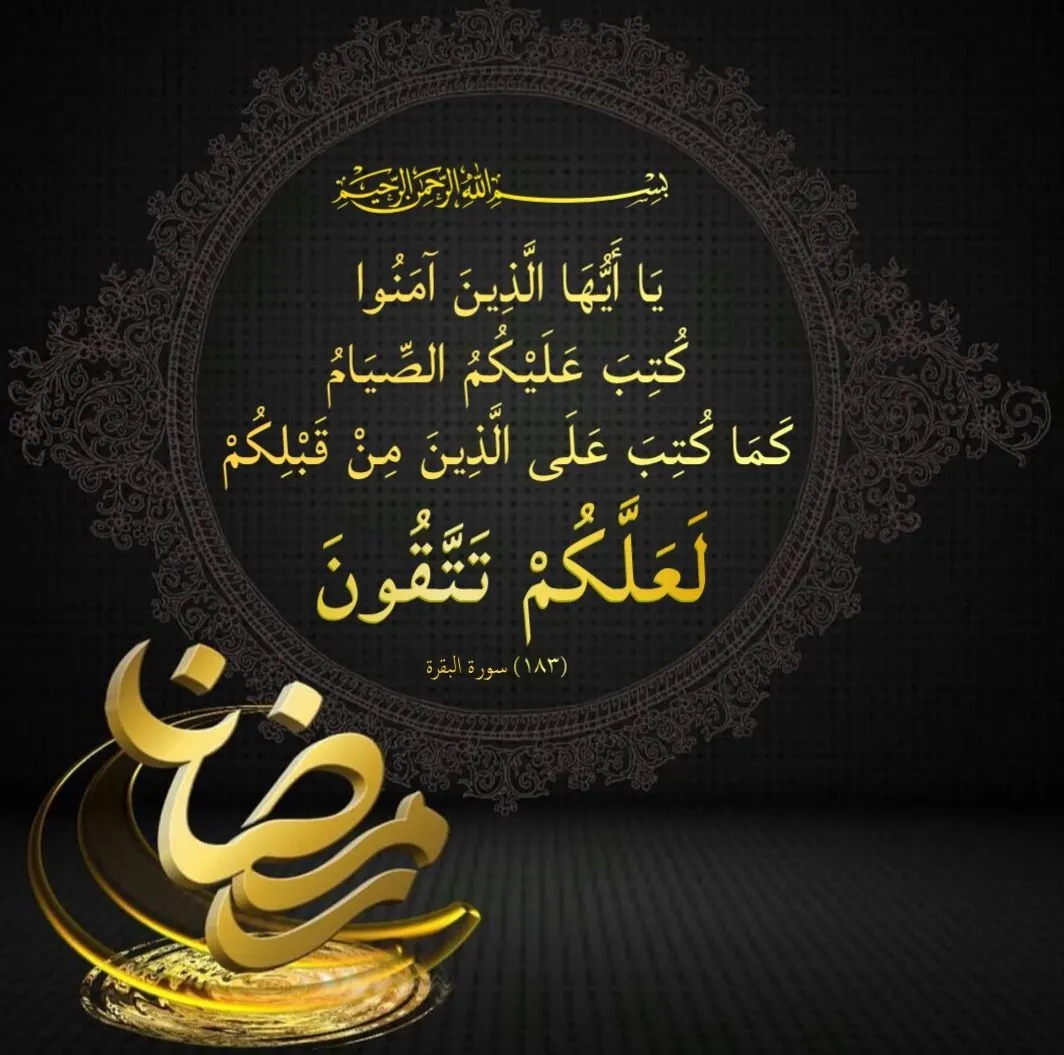
Fasting during Ramadan is a form of physical worship, and fasting means: abstaining, with the intention of worship, from eating, drinking, sexual relations with women, and all other acts that break the fast, from dawn until sunset.
Hajj
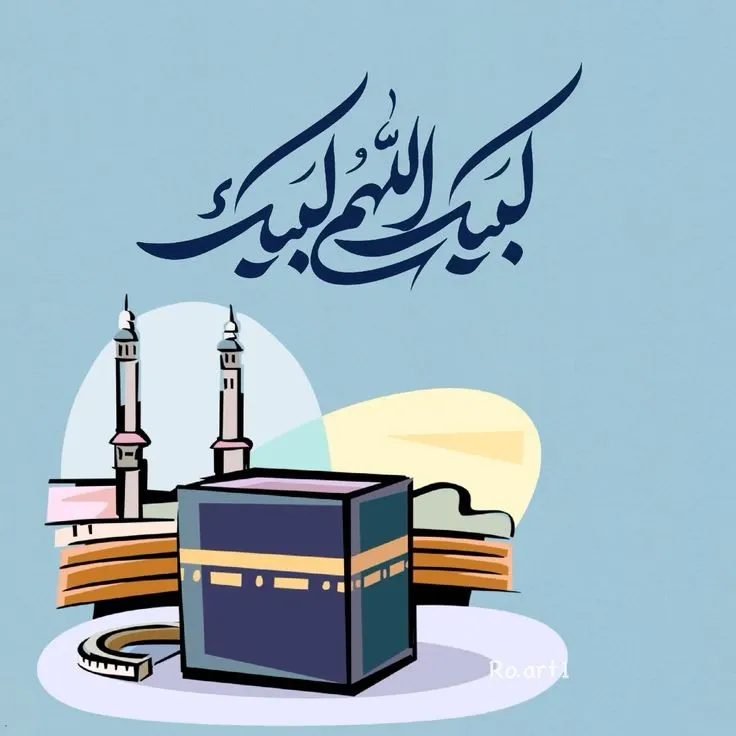
Hajj is performed with the intention of visiting the Sacred Sites to carry out the rites as an act of worship to Allah, the Exalted and Glorious, once in a lifetime. For it to be obligatory, the following must be present: the ability and the financial and physical capacity.